
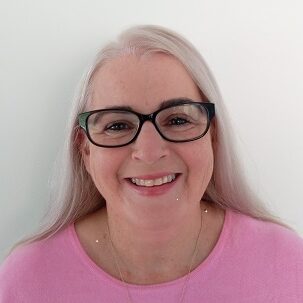
Ally Morrice
Urology Oncology Clinical Nurse
At ANZUP, we believe better cancer care starts with collaboration. Our multidisciplinary network brings together researchers, doctors, nurses and allied health professionals, each playing a vital role in improving outcomes for people affected by Below the Belt cancers.
Nurses are at the heart of this collaborative approach, providing expert care, guidance and compassion throughout every stage of a patient’s cancer journey.
In this interview, we speak with a Urology Oncology Clinical Nurse about a day in her role, the importance of coordinated care, and the meaningful difference nurses make in the lives of patients and their families.
Can you walk us through what a typical day looks like for you as a Urology Oncology Clinical Nurse?
It’s fast paced, and very rewarding.
My role involves coordinating and supporting patients throughout their cancer journey from diagnosis, through treatment, and into follow-up care. I provide education and emotional support to patients and their families, assist with treatment planning, manage symptoms and side effects, and work closely with urologists, oncologists, allied health teams and community care to ensure holistic care.
No two days are the same. My day can include patient consultations, coordinating investigations and appointments, supporting patients diagnosed with bladder, kidney, penile and testicular cancers, and advocating for patients during complex and often challenging times.
Alongside the clinical aspects of care, building trusting relationships and helping patients navigate uncertainty is one of the most meaningful parts of my role.
Many patients feel overwhelmed or uncertain when they’re first diagnosed, how do you help them feel informed, supported, and less alone?
I help patients feel informed, supported and less alone by building trusting relationships and providing consistent guidance throughout every stage of their diagnosis.
It’s important to take the time to listen to patients’ concerns, explain complex information in a clear and compassionate way, and ensure they feel empowered to ask questions and participate in decisions about their care.
I aim to be a familiar and reassuring point of contact advocating for patients, responding to their individual needs, and making sure they feel heard, supported and connected to the wider multidisciplinary team.
Working closely with surgical teams and referring to other specialists, how do you ensure patients experience seamless, coordinated care across their treatment?
Communication and collaboration are central to my role. I help coordinate appointments, investigations, treatments and follow-up care, while ensuring all members of the team are informed of a patient’s progress and individual needs. By advocating for patients, facilitating timely referrals to other specialists and support services, and maintaining continuity of care, I aim to ensure patients feel supported, informed, and confident that their care is well coordinated across every stage of treatment.
What is the most rewarding part of your role, and what would you like people to better understand about the difference nurses make in cancer care?
The most rewarding part of my role is the meaningful relationships I build with patients and their families, supporting them through one of the most vulnerable and challenging times in their lives. It’s a privilege to help patients feel heard, informed and less alone, while supporting them to navigate the uncertainty that comes with a cancer diagnosis.
I’d like people to better understand the difference nurses make in cancer care beyond the clinical tasks we perform.
Oncology nurses are advocates, educators, coordinators, and emotional supports for patients and their families.
The nursing role is deeply holistic, and the trust and connection we build with patients can have a lasting impact on both their experience and overall wellbeing.
The difference nurses make is often found in the small but important moments like listening, reassuring, advocating, and helping patients maintain dignity and quality of life throughout their cancer journey.